TESTING
Checked at the tap
Water companies in England carried out 3,632,669 compliance tests in 2024, at treatment works, reservoirs and consumers' taps.
See the numbers
WHAT THE REGULATOR SAYS
99.97% of tests met in 2024
AI-generated image, not a photograph of a real person or place.
Tap water in England is tested millions of times a year.
The Drinking Water Inspectorate calls its quality excellent. Most everyday worries, from a chlorine taste to limescale in the kettle, have simple explanations. Old lead pipes are the one to take seriously.
THE SHORT ANSWER
Taste and limescale are rarely a safety issue.
Lead pipes in older homes can be.
TESTING
Water companies in England carried out 3,632,669 compliance tests in 2024, at treatment works, reservoirs and consumers' taps.
See the numbersHARDNESS
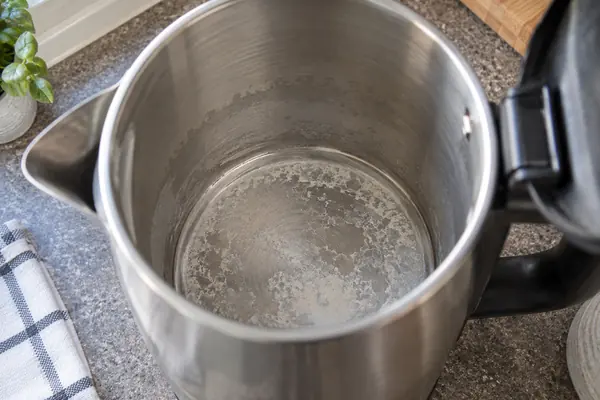
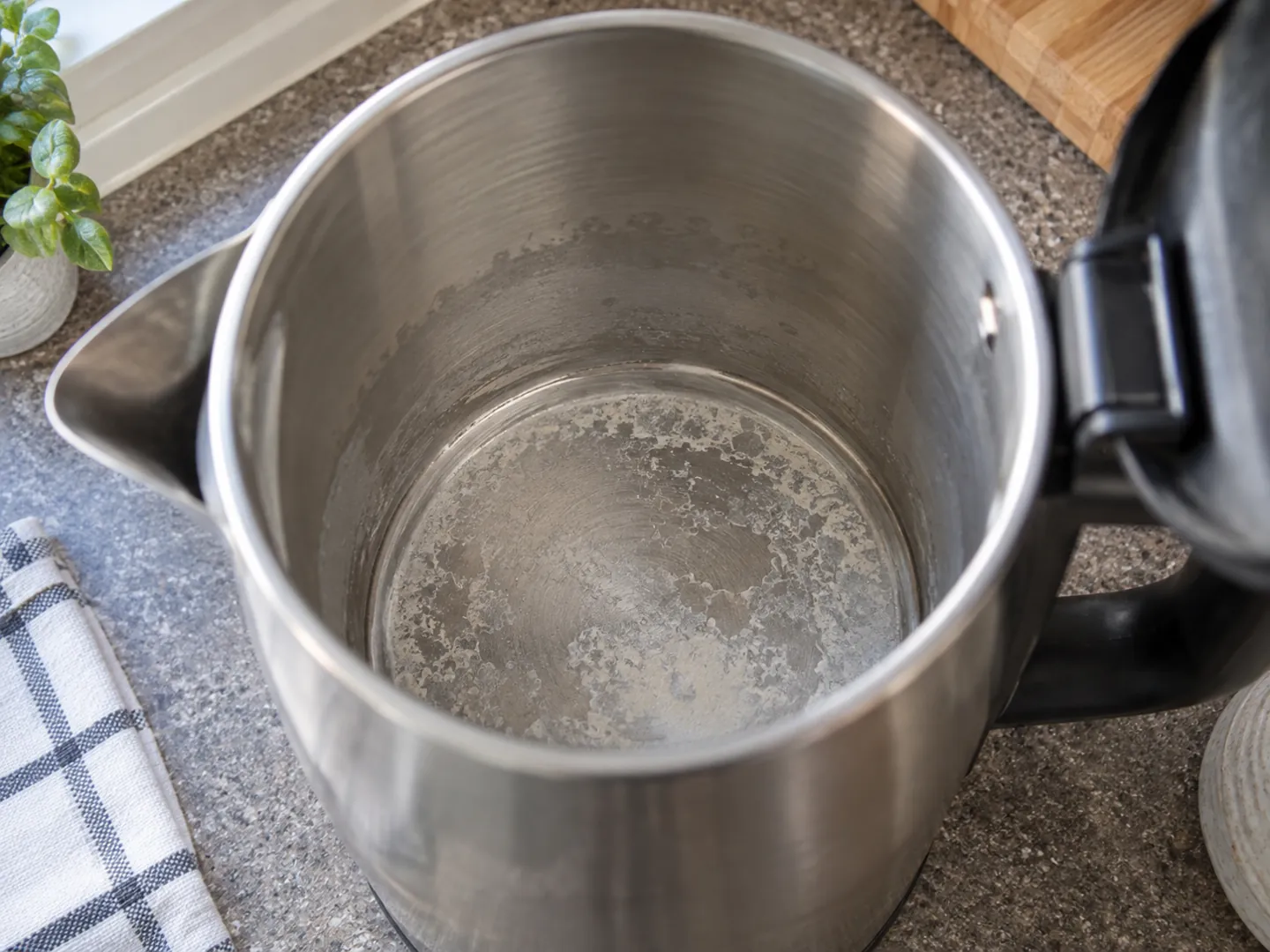
Hard water carries dissolved calcium and magnesium. UK regulations set no standard for hardness, but it scales kettles and leaves scum on tea.
Hard or soft?LEAD
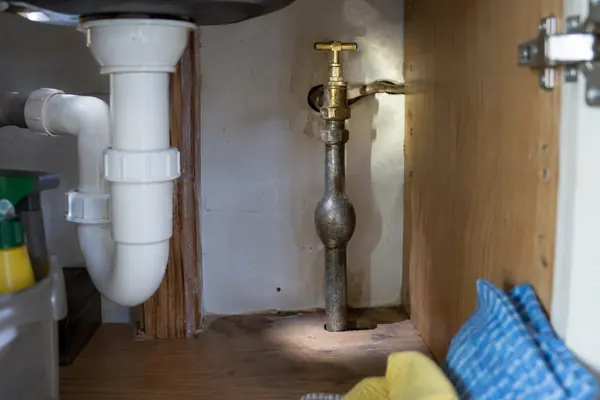
Homes built before 1970 may have lead pipes. The regulator advises running the tap first and replacing lead pipework as soon as possible.
Check your tap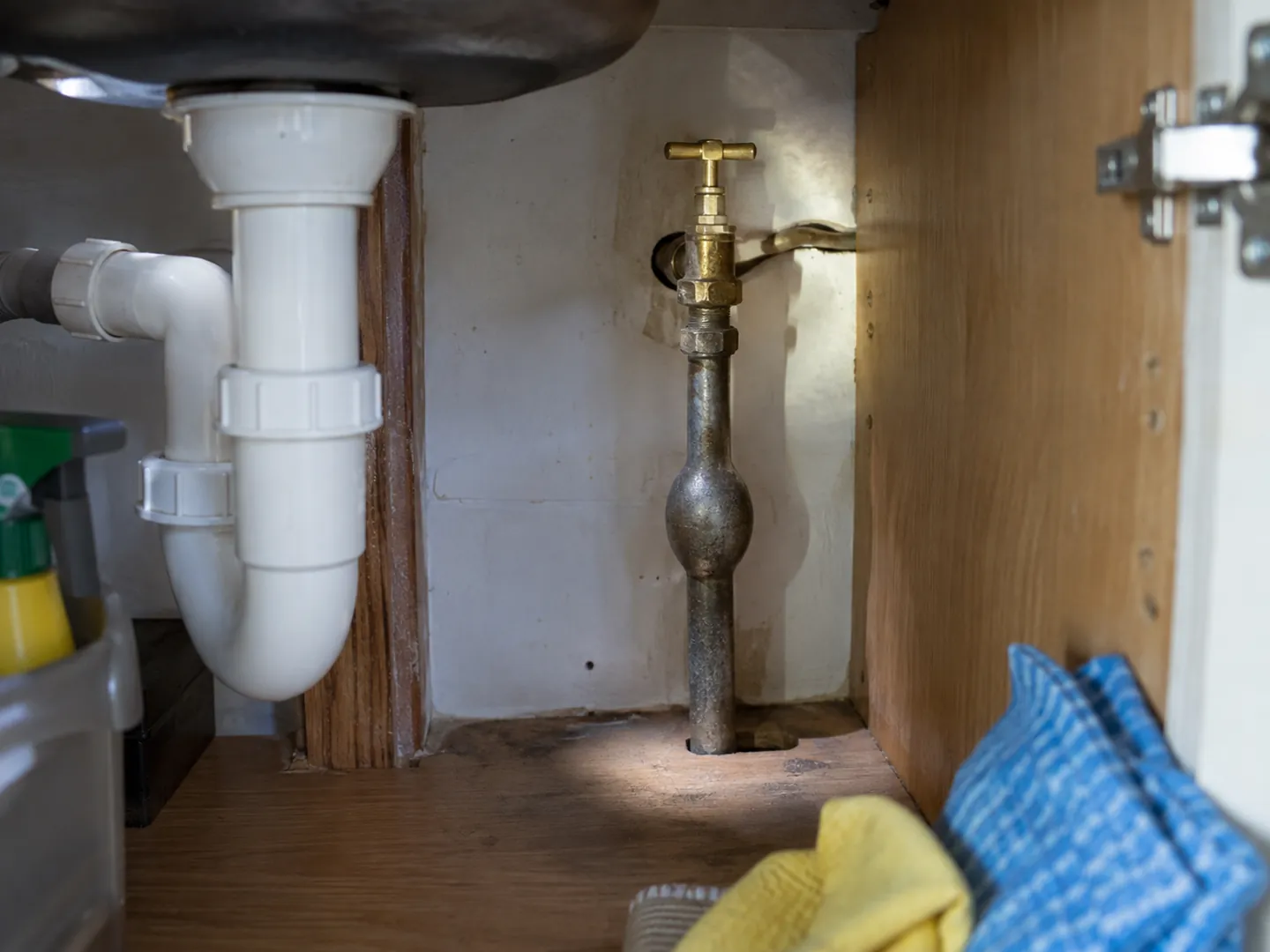
FOUR HABITS TO TRY
None of these needs a gadget. They come straight from the regulator's advice for households.
Use cold water from a kitchen tap fed directly from the mains, not hot water or a bathroom tap that may come from a loft tank.
If no water has been used for several hours, run off about a washing-up bowl's worth before drinking.
Cooling is all that is needed to reduce a chlorine taste. Throw away unused water after 24 hours and clean the jug.
Your water company can send a free water quality report for your area, including the chlorine levels in your supply.
TWO NUMBERS WORTH KNOWING
Both figures come from the Chief Inspector's
report for drinking water in England, 2024.
99.97%
Tests meeting the standards in England
Overall compliance with the regulatory standards in 2024. Microbiological parameters met 99.98% and pesticides 100%.
COMPLIANCE · DWI 2024
3.6 million
Compliance tests by water companies
The report lists 3,632,669 compliance tests in England in 2024, taken at treatment works, service reservoirs and consumers' taps.
TESTS · DWI 2024
The Chief Inspector says drinking water quality in England remains excellent, and that the challenge remains to achieve 100% compliance with the regulatory standards.
A QUICK TAP CHECK
Pick what is bothering you about your tap water to see what the regulator advises. The bar shows how strongly the guidance points to taking action.
Based on Drinking Water Inspectorate consumer advice for England and Wales. Contact your water company about anything unusual.
HARD OR SOFT?
The regulator grades hardness in mg/l as calcium carbonate: soft is up to 100, hard is 200 to 300 and very hard is over 300. The WHO says water at 200 mg/l or higher will produce scale.
Soft water is not automatically better: water at 100 mg/l or lower is more corrosive to pipework. Where companies soften water, the regulator recommends a minimum total hardness of 150 mg/l.
In conversation
The Drinking Water Inspectorate says drinking water quality in England remains excellent. In 2024, 99.97% of regulatory tests met the standards.
Companies must keep a small residual of disinfectant in the pipes, typically 0.5 mg/l or less. A slight taste is often from nearby maintenance and usually passes. Chilling water in a jug reduces it.
UK regulations set no standards for hardness, calcium or magnesium. Hard water scales kettles and appliances and leaves scum on tea, and the regulator notes limited evidence linking hardness to heart health.
The regulator advises not softening the kitchen tap used for drinking and cooking. Most softeners replace hardness with sodium, which is a concern for premature babies and people on low-sodium diets.
Homes built before 1970 may have them. At the stop tap, lead looks dull grey, often with a swollen joint, and shows shiny silver metal when gently scraped with a coin.
Each figure on this page comes from the sources below.
ABOUT THIS NAME
doodlewater.com is part of the DoodleSale portfolio. It isn't in an auction right now, but you can ask about leasing it.